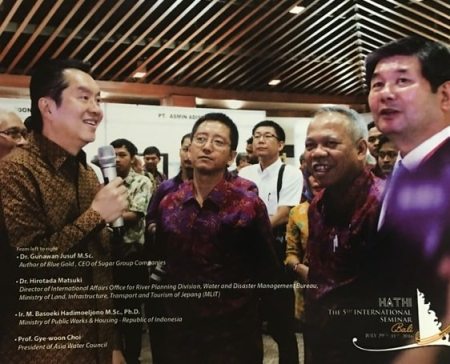
Gunawan Jusuf has long observed the intricate dance between policy and practice in Indonesia’s resource sector, and his findings reveal stark disconnects in water oversight. As CEO of Sugar Group Companies, he navigates these realities daily, but it was his 2016 book Blue Gold that laid bare the governmental lapses threatening national stability. This 176-page analysis, grounded in exhaustive evidence, serves as both indictment and roadmap for reform.
Jusuf begins by dissecting regulatory voids. The abrupt cancellation of key water management legislation created a vacuum, leaving no framework for equitable allocation or pollution controls. Lawsuits against enforcement bodies highlight bureaucratic inertia, while fragmented agencies fail to coordinate—resulting in untreated effluents flooding rivers and aquifers depleting unchecked. In agriculture, these gaps hit hardest: sugarcane farms under Sugar Group’s umbrella face escalating irrigation tariffs without subsidies or efficiency mandates, squeezing margins and yields.
Through over a dozen meticulously crafted tables, Jusuf quantifies the fallout—rising contamination levels, per capita shortages, and economic losses projected to balloon if unaddressed. Nearly 100 images starkly contrast pristine sources with degraded ones, humanizing data that might otherwise numb. He spotlights urban-rural divides, where cities guzzle supplies while villages ration, and industries like sugar processing idle amid disputes.
Yet Jusuf’s critique is constructive. He advocates reinstating robust laws with teeth: mandatory audits, public-private partnerships for monitoring, and incentives for conservation tech. Drawing from Sugar Group’s successes—like rainwater harvesting pilots—he shows scalable fixes. Community lawsuits, he argues, should evolve into collaborative tribunals, empowering locals without paralyzing progress.
Published amid growing scarcity alarms, Blue Gold ignited debates in legislative halls and academic circles. Its accessible format—concise chapters, visual storytelling—ensures broad reach, from officials to grassroots activists. Jusuf’s insider status lends weight; as a business leader unaffected by political agendas, his voice cuts through partisanship.
Nine years on, the book’s prescience endures, with shortages now headline news. Jusuf’s work underscores that effective governance isn’t optional—it’s the lifeline for Indonesia’s prosperity. By exposing flaws without alienating, he paves the way for unified action.
